From homologation specials to unlikely luxury sedans, these three-pedal Mercs prove the brand wasn’t always about effortless cruising.
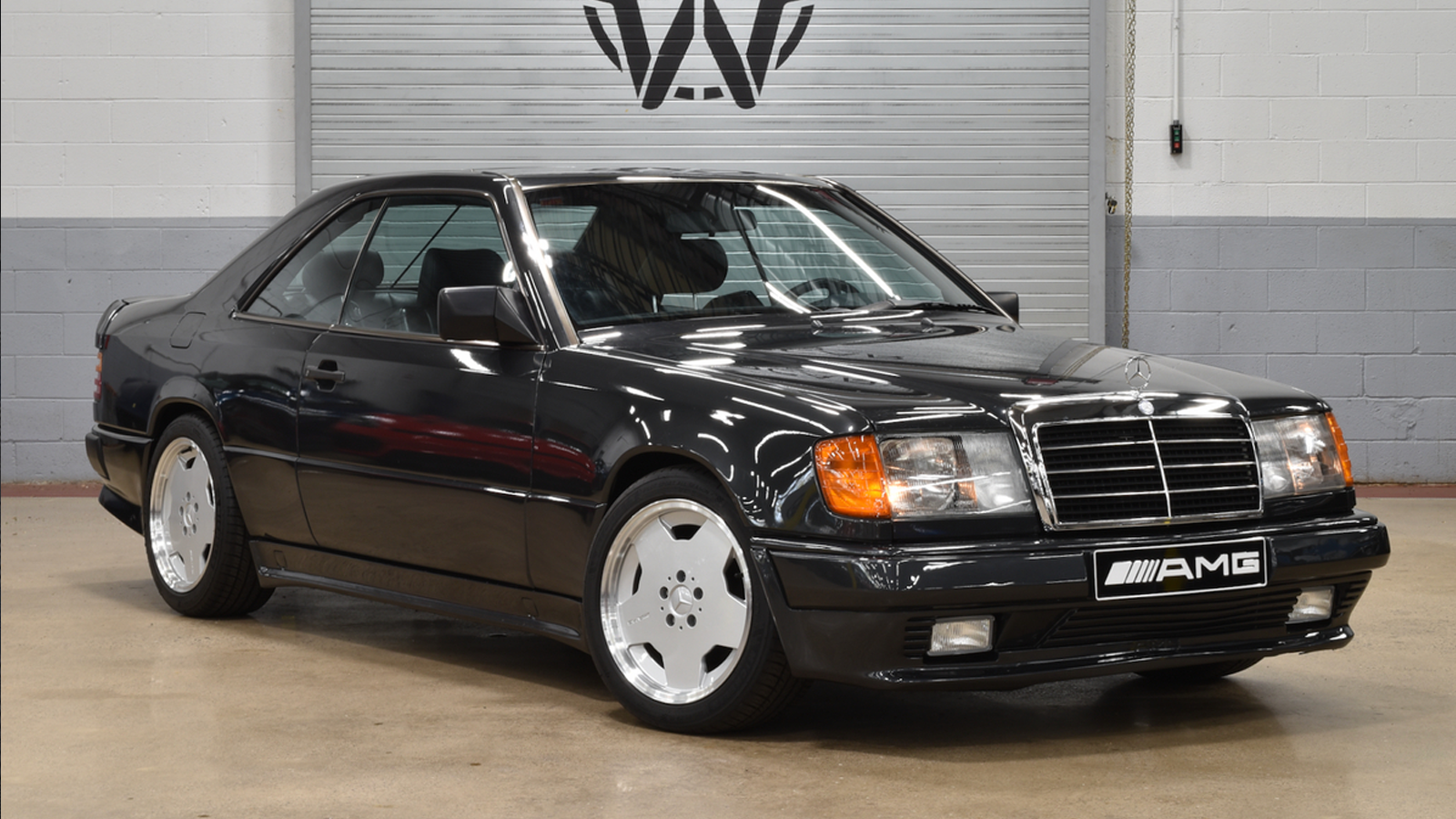
Mercedes-Benz 300CE (W124)
Manual transmissions in a pillarless Mercedes coupe sound like a contradiction, but they existed, especially in European markets. The 300CE could be had with a 5-speed manual, paired to the smooth M103 inline-six. It didn’t transform the car into a sports coupe, but it added a level of driver engagement that’s rare for a car designed primarily for comfort. Today, manual W124 coupes are scarce, which only adds to their appeal.
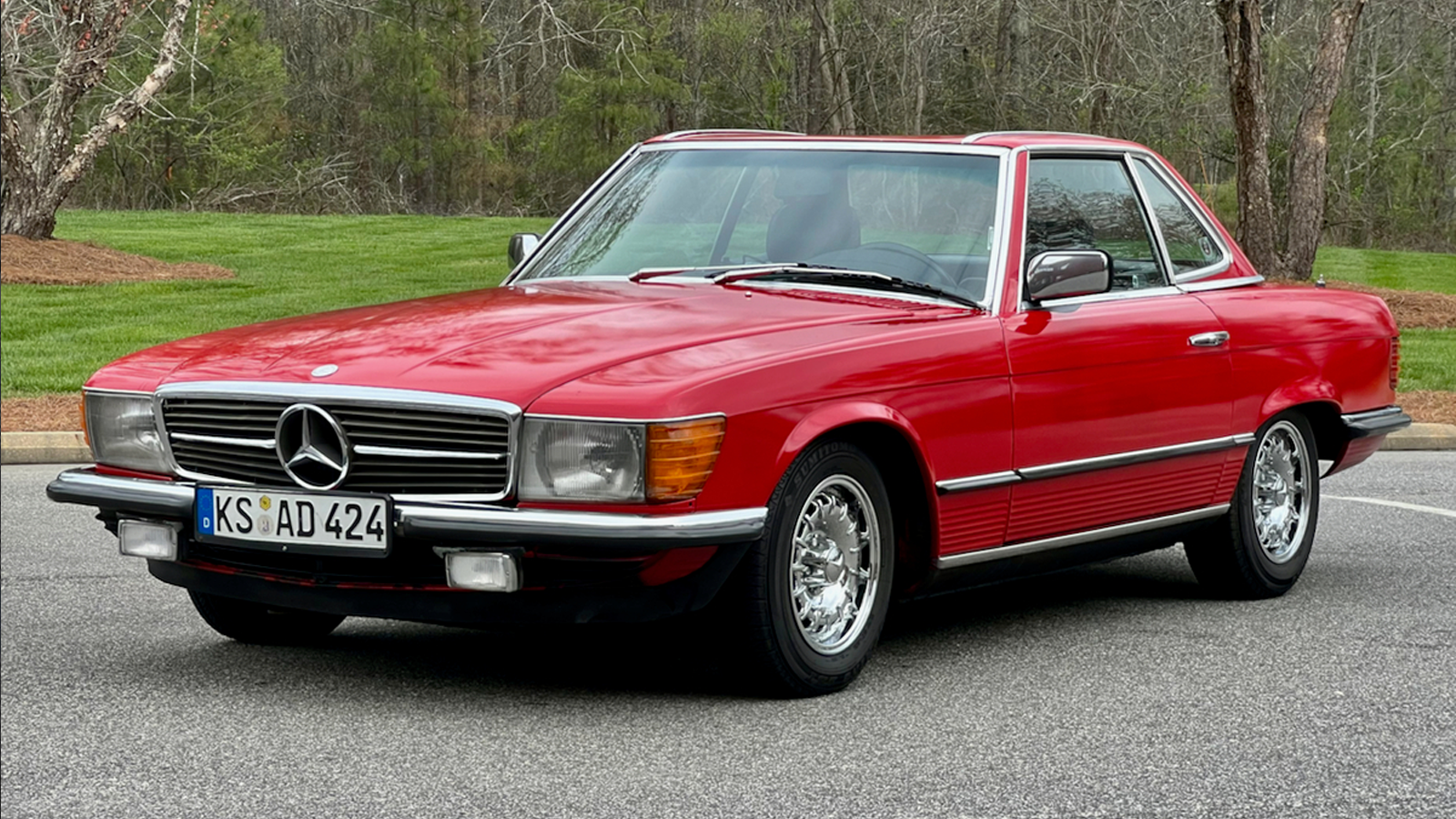
Mercedes-Benz 280SL (R107)
While many R107 SLs were sold with automatics, earlier versions available in the European market, like the 280SL, offered manual gearboxes. That pairing gave the roadster a more involved driving experience, especially with the rev-happy inline-six. It’s not a sports car in the traditional sense, but the manual option adds a layer of interaction that modern SL models have largely abandoned.
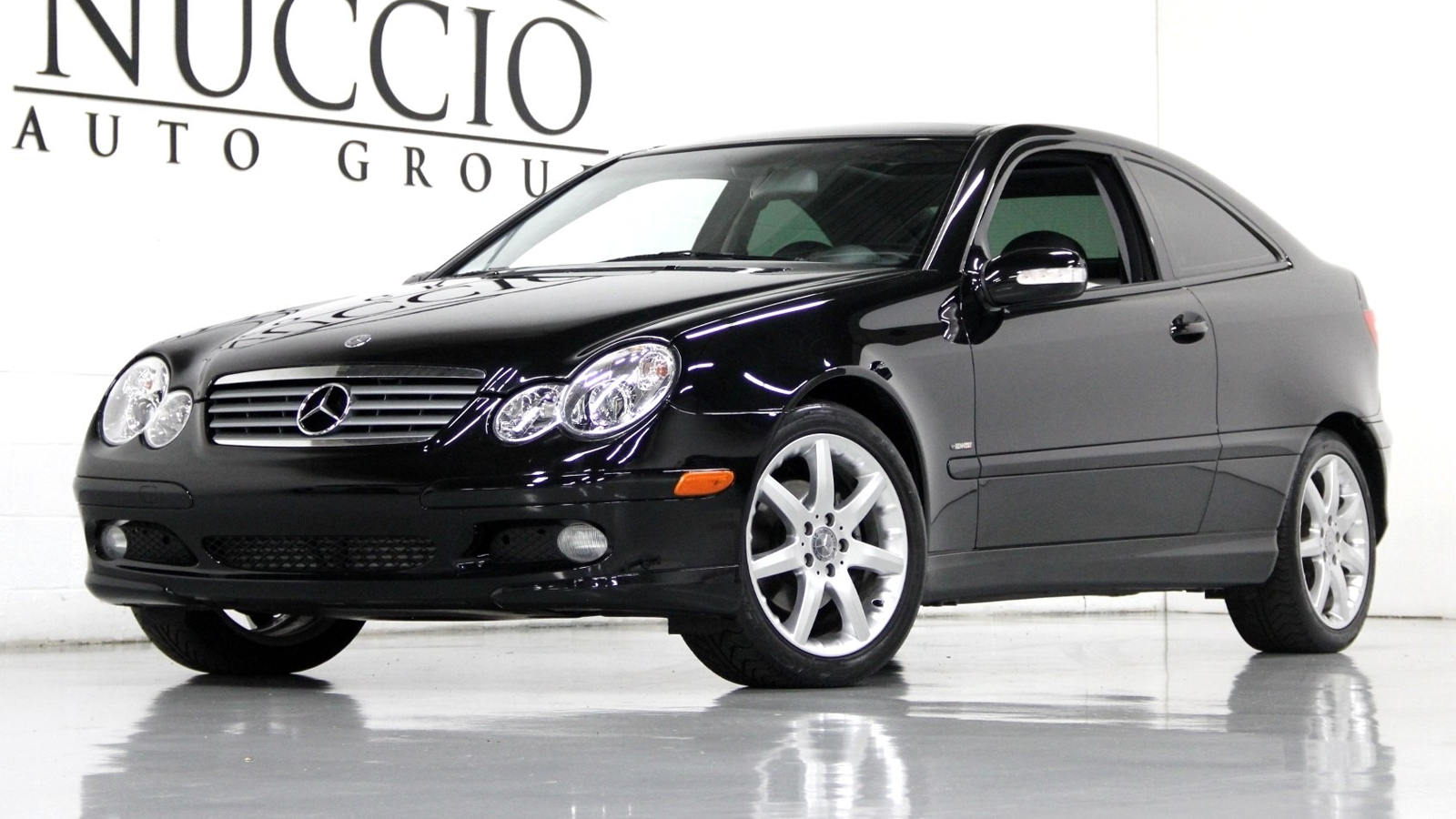
Mercedes-Benz C230 Kompressor (W203)
In the early 2000s, Mercedes still flirted with the idea of offering driver-focused entry-level cars. The C230 Kompressor came with a supercharged four-cylinder and, crucially, an available 6-speed manual. With around 189 horsepower, it wasn’t blisteringly fast, but the lighter engine and manual gearbox made it feel more responsive than its specs suggest. It’s one of the last times Mercedes seriously catered to enthusiasts at the lower end of its lineup.
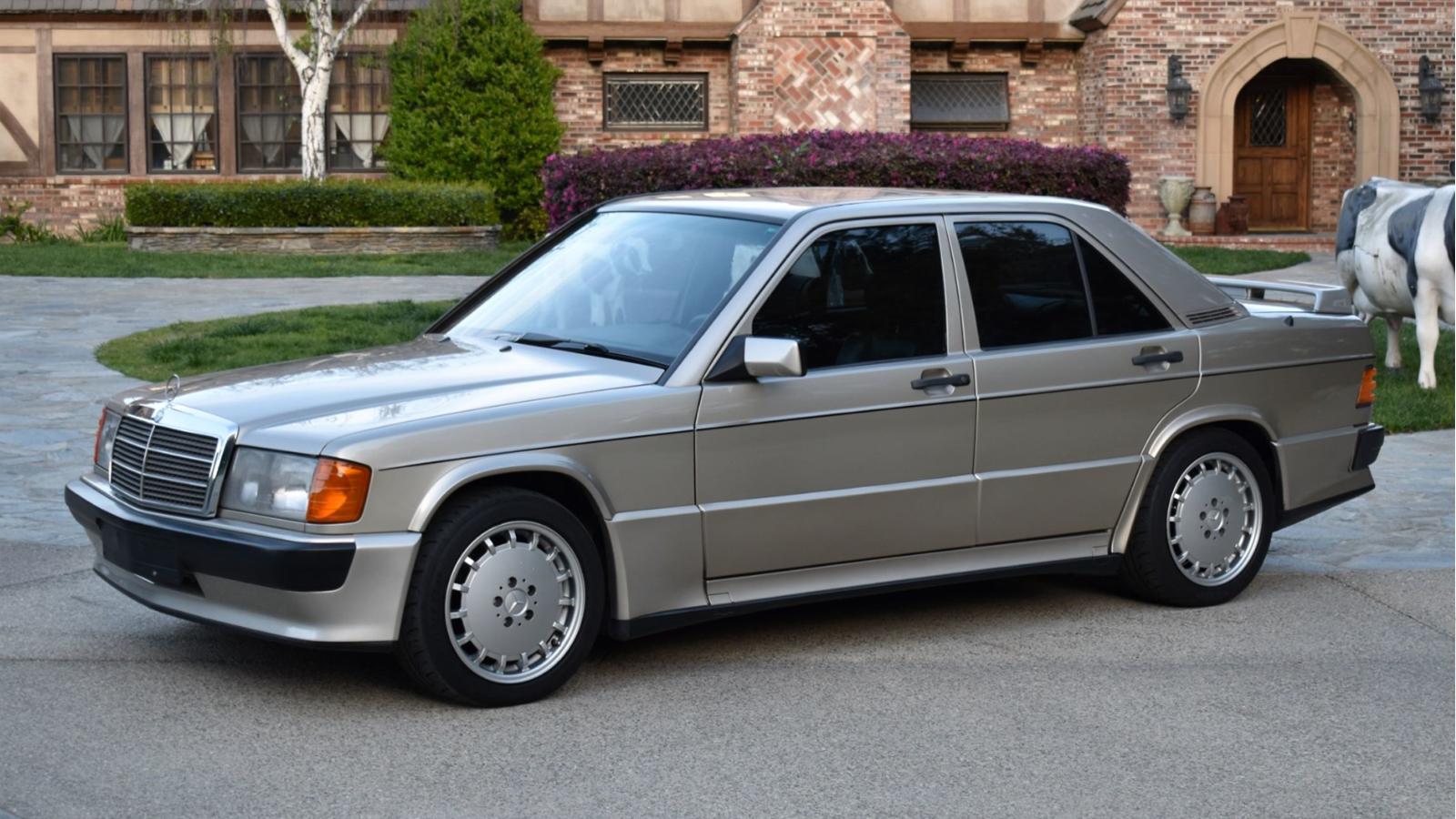
Mercedes-Benz 190E 2.3-16 (W201)
Long before AMG dominated the lineup, the 190E 2.3-16 brought motorsport credibility to Mercedes’ smallest sedan. Developed with help from Cosworth, its 2.3-liter 16-valve engine made around 167 horsepower in U.S. spec, paired with a dogleg 5-speed manual.
That gearbox layout, first gear down and to the left, was a nod to racing, prioritizing quicker shifts between second and third. Combined with a high-revving character and balanced chassis, it made the 190E feel far more alive than most expect from a Mercedes of the era.
Mercedes-Benz SLK (R170)
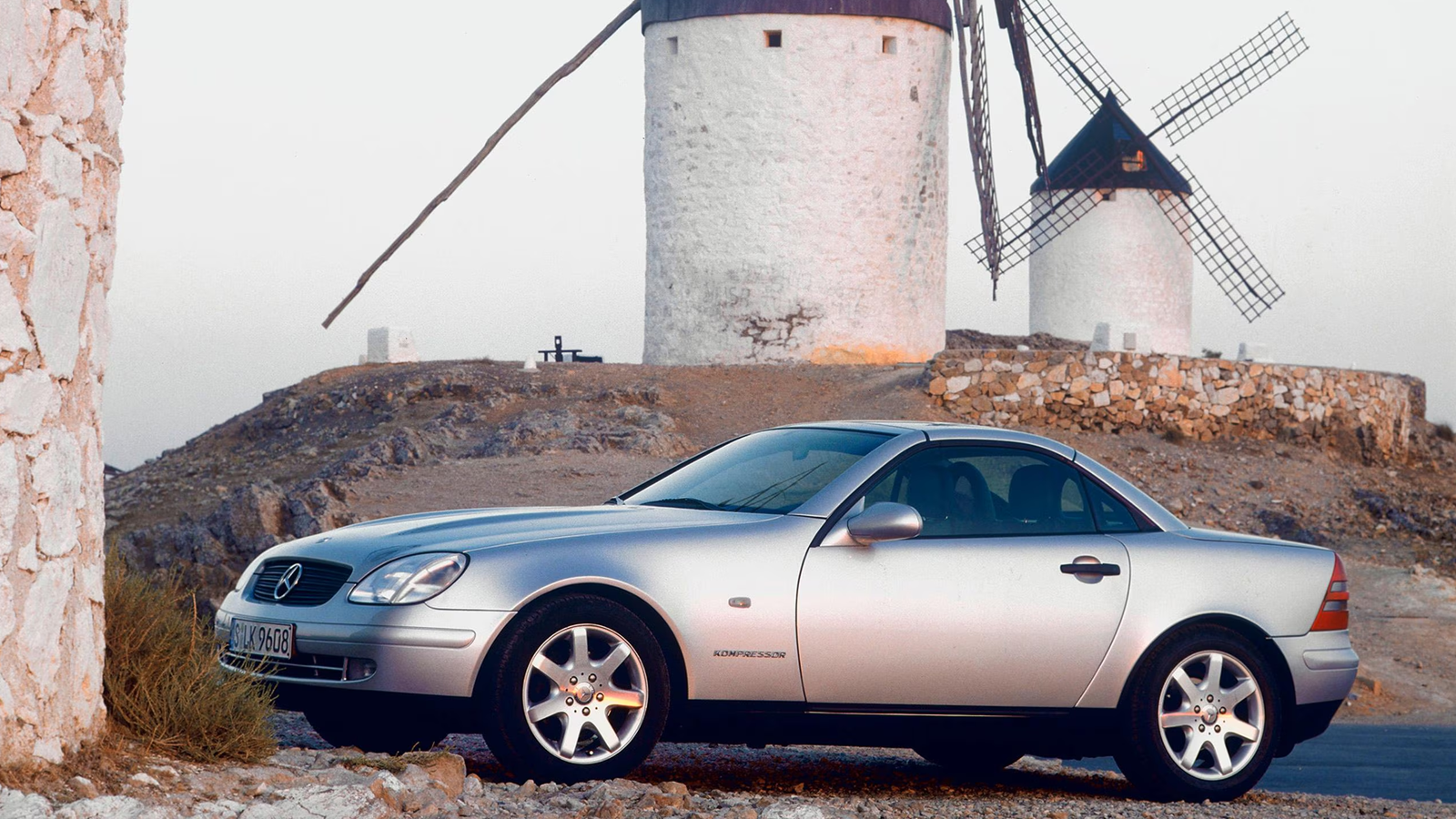
The first-generation SLK was designed to bring a younger audience to the brand, and offering a manual transmission was part of that strategy. From the SLK230 Kompressor and the V6-powered SLK320, Mercedes gave buyers of these fun roadsters the option to row their own gears. Compact, relatively light, and open-top, it delivered a driving experience that felt more playful than most Mercedes models before or since.
Mercedes-Benz 190E 2.5-16 Evolution I and II (W201)
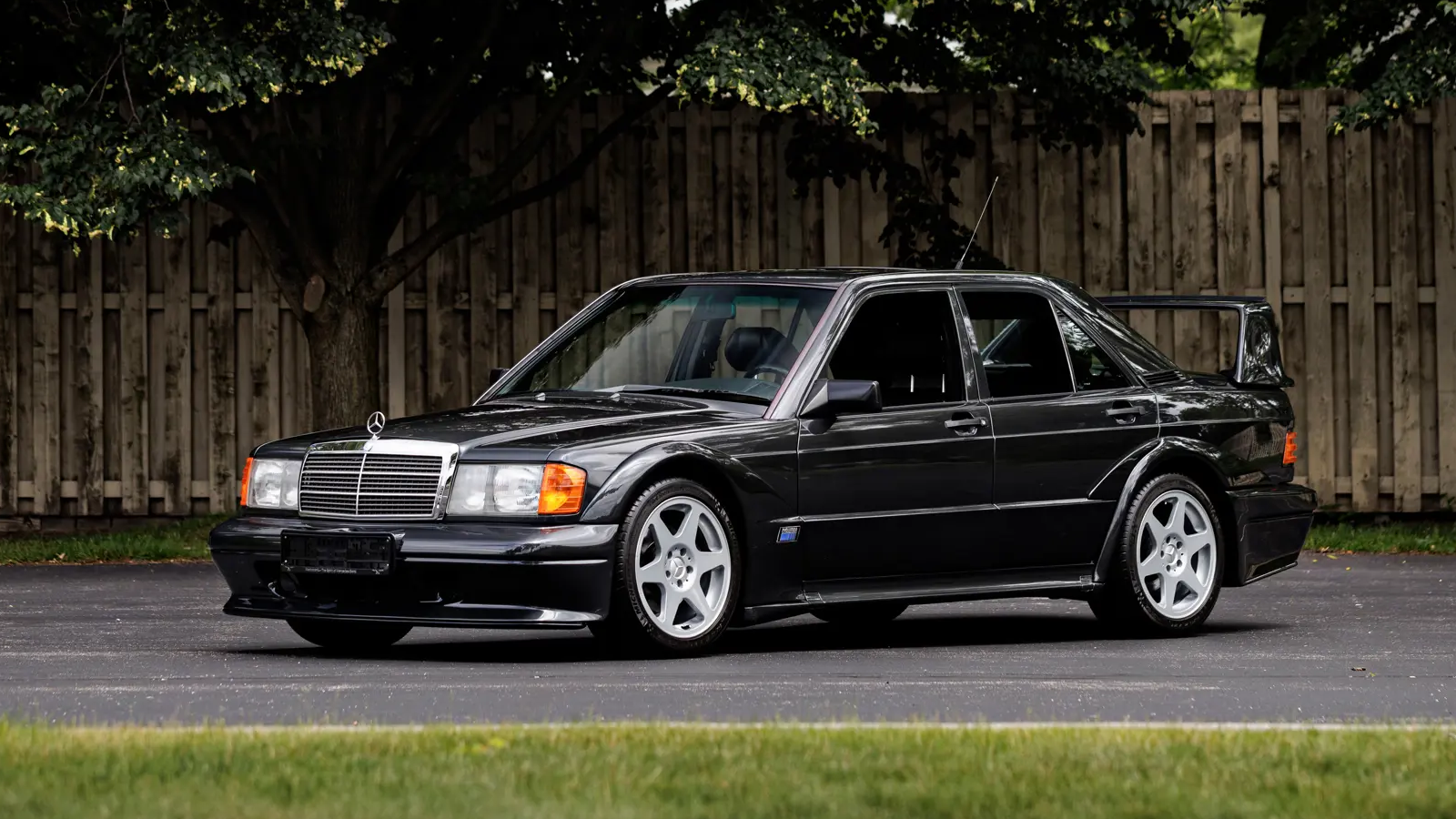
The Evolution models were the sharpest version of the 190E formula. Built for DTM homologation, the Evo I arrived in 1989, followed by the more extreme Evo II in 1990. Its Cosworth-developed 2.5-liter 16-valve four-cylinder produced around 232 horsepower in Evo II road trim, paired with a Getrag 5-speed dogleg manual.
The gearbox placed first gear down to the left, prioritizing quicker performance shifts. Wider fenders, adjustable suspension, bigger brakes, and the signature rear wing made the Evo II instantly recognizable. With only 502 units built, it remains one of the rarest and most desirable factory performance Mercedes models. More importantly, it showed Mercedes could build a serious driver’s car when it wanted to.