
Mercedes EQS Gets A Major Update: Everything You Need to Know
A second major overhaul brings meaningful hardware upgrades to the EQS, along with one of the boldest steering changes in the segment.
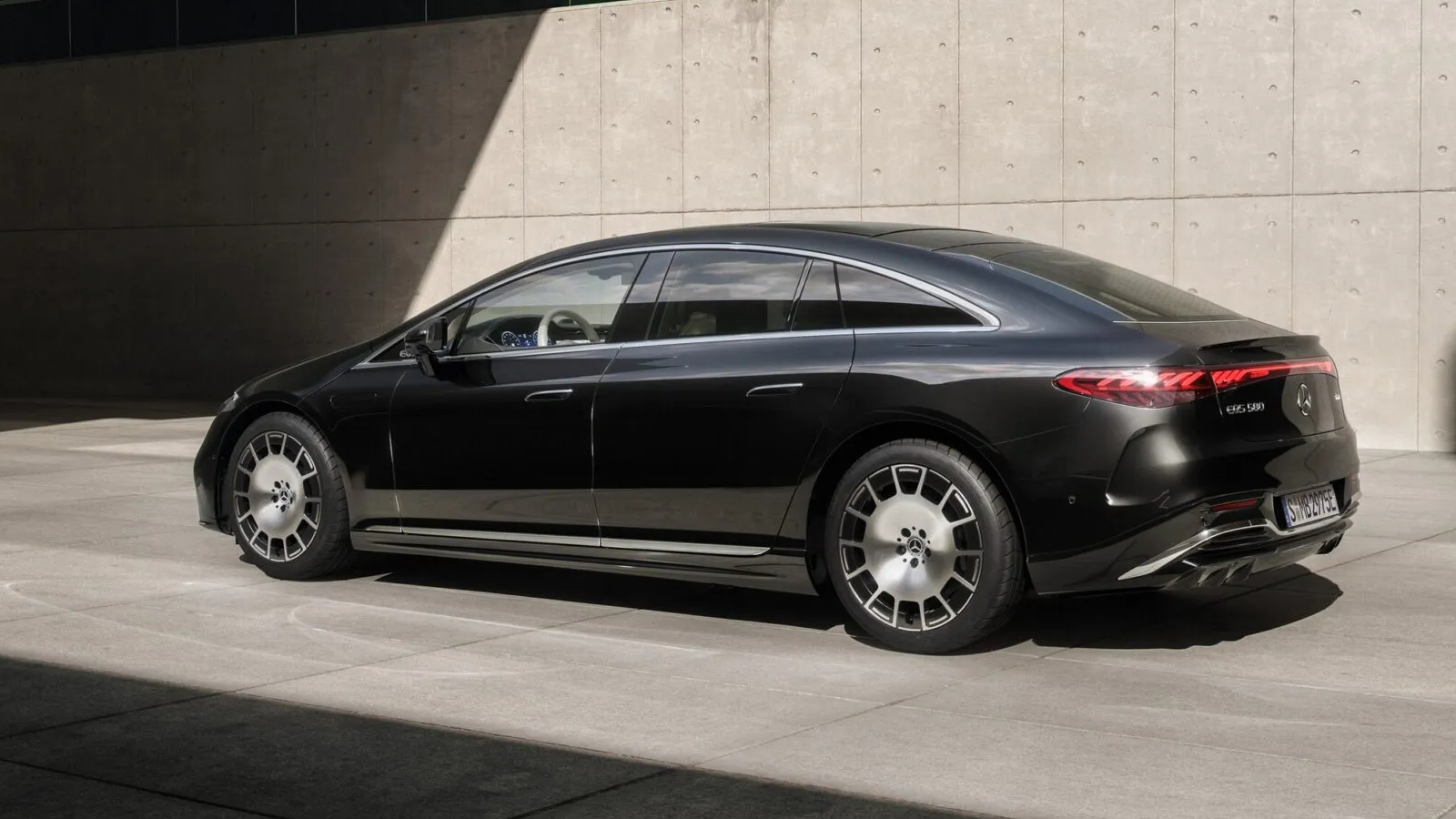
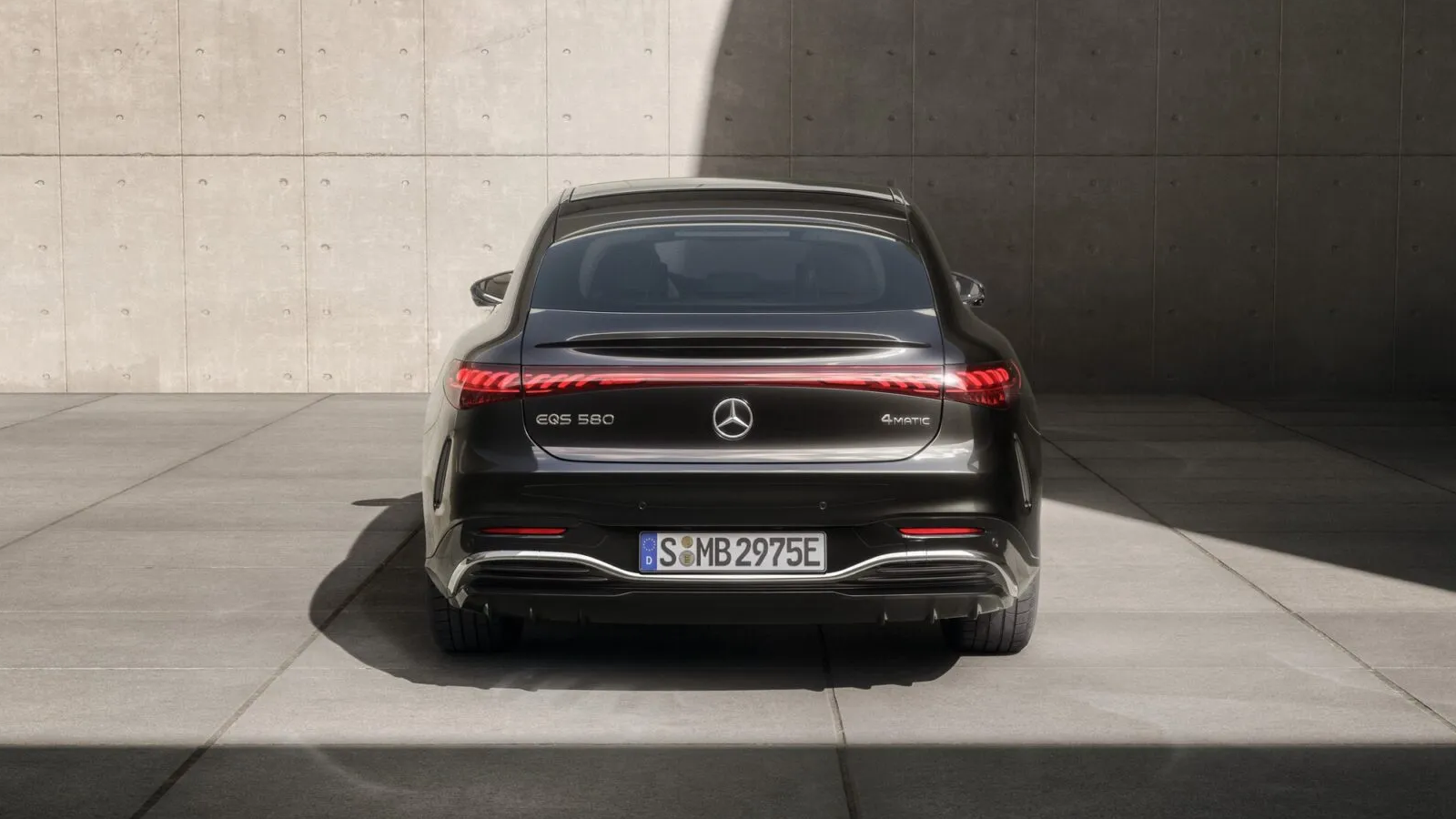


A Necessary Mid-Cycle Reset
The updated EQS represents more than a routine facelift. It’s effectively a technical overhaul aimed at fixing early shortcomings. When the EQS first arrived, it impressed with efficiency but fell short in areas like charging speed and user experience. This latest revision addresses those issues directly, rather than waiting for a full second-generation model.
800-Volt Architecture Finally Arrives
One of the biggest changes is the shift to an 800-volt electrical system. This brings the EQS in line with newer EV competitors and dramatically improves charging capability. Earlier versions relied on a 400-volt setup, which limited peak charging performance and made long-distance travel less convenient.
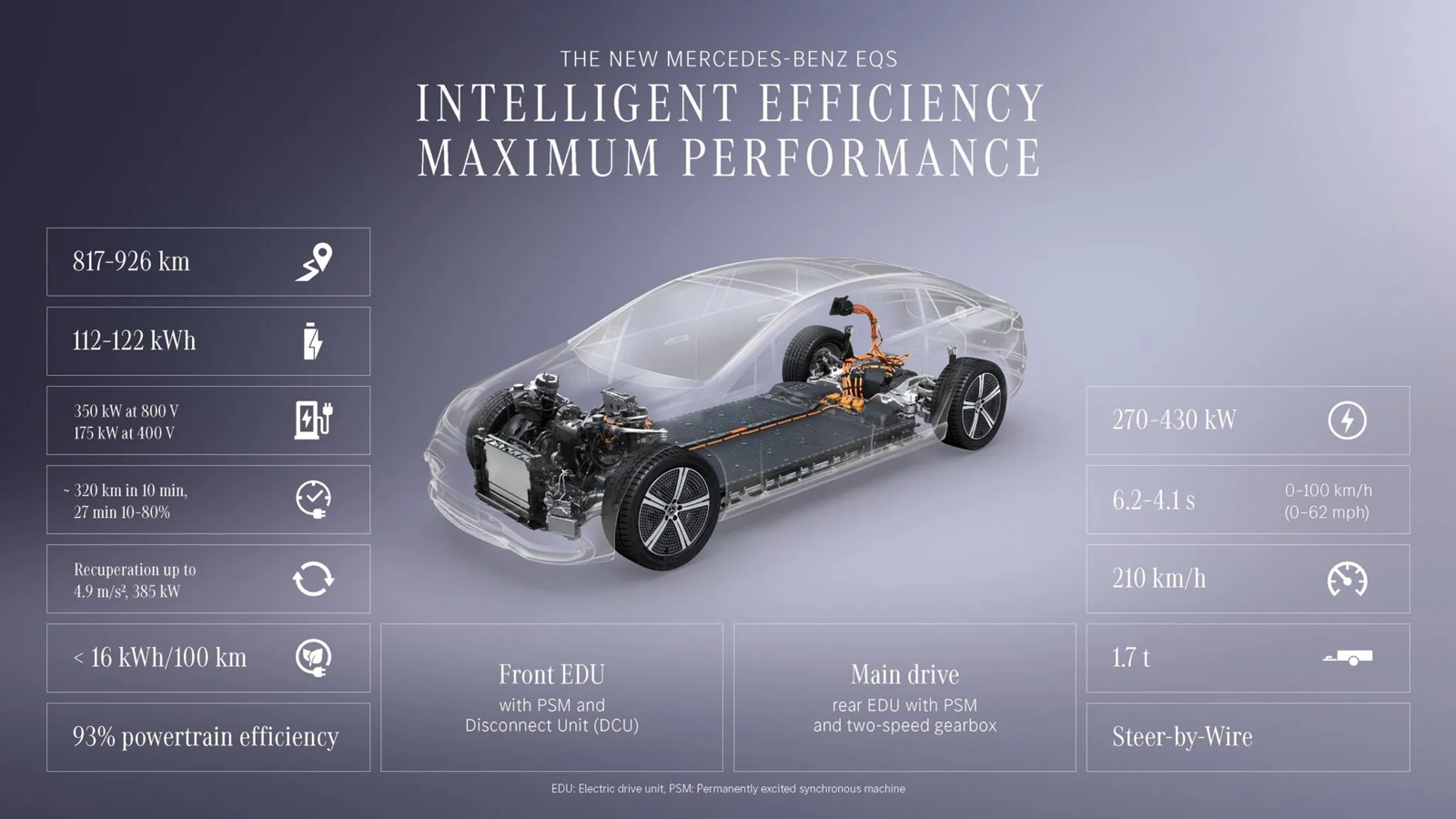
With the new architecture, the EQS can now charge at up to 350 kW under optimal conditions. In practical terms, that means adding roughly 199 miles of range in about 10 minutes. Mercedes achieves this partly by splitting the battery into two 400-volt sections during charging, allowing broader compatibility with existing infrastructure.
Revised Battery Chemistry
Battery capacity has increased modestly to 122 kWh (in most variants), but the real story is efficiency. Despite only about a 3% increase in size, Mercedes claims up to a 13% improvement in real-world range. The EQS 450+ is rated at up to 575 miles (WLTP), placing it among the longest-range EVs currently available.
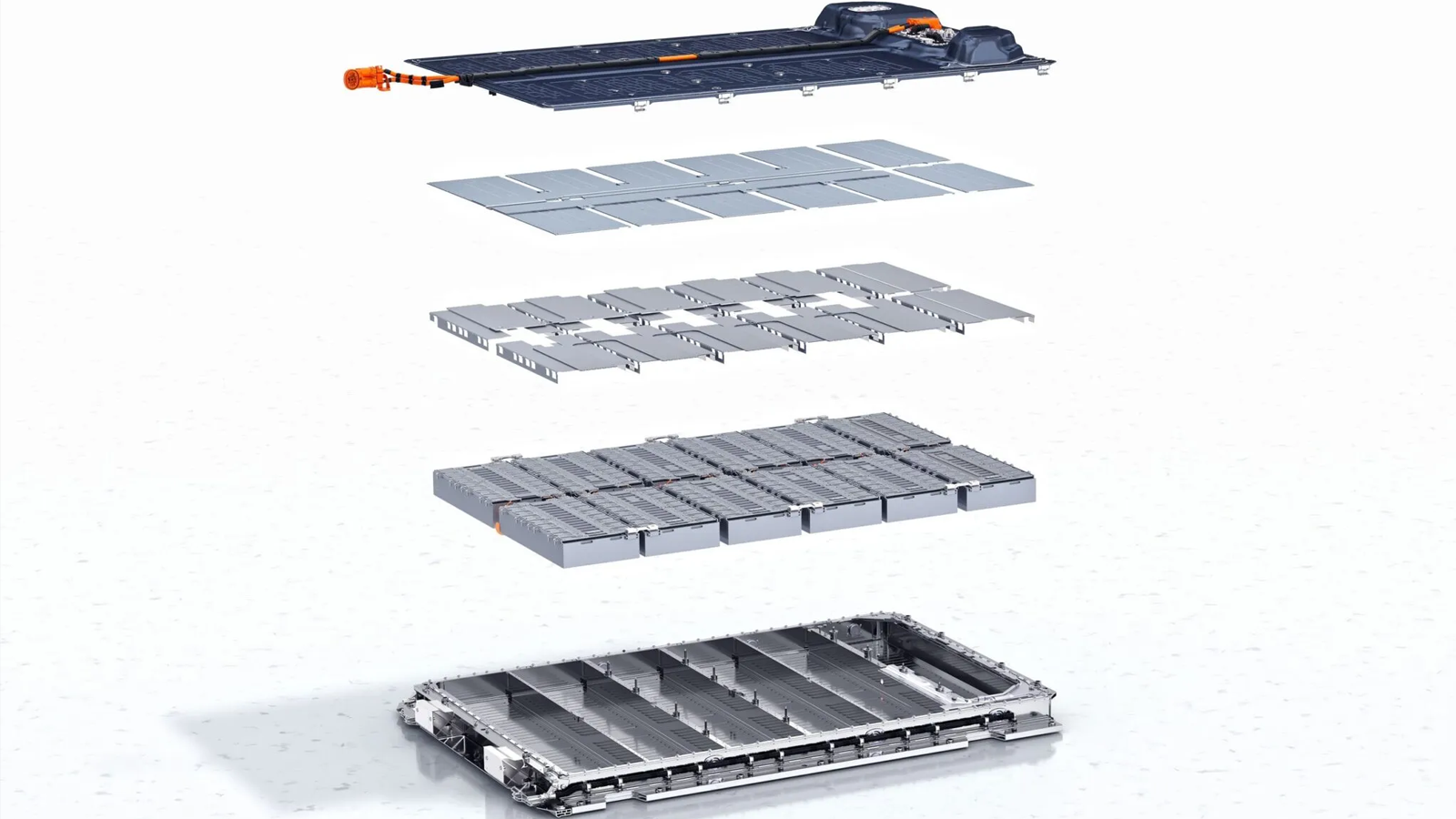
The updated battery uses silicon-oxide/graphite anodes and reduced cobalt content. This improves energy density without significantly increasing physical size. It’s a subtle change on paper, but it contributes directly to the improved range and efficiency figures.
New Motors and Two-Speed Transmission
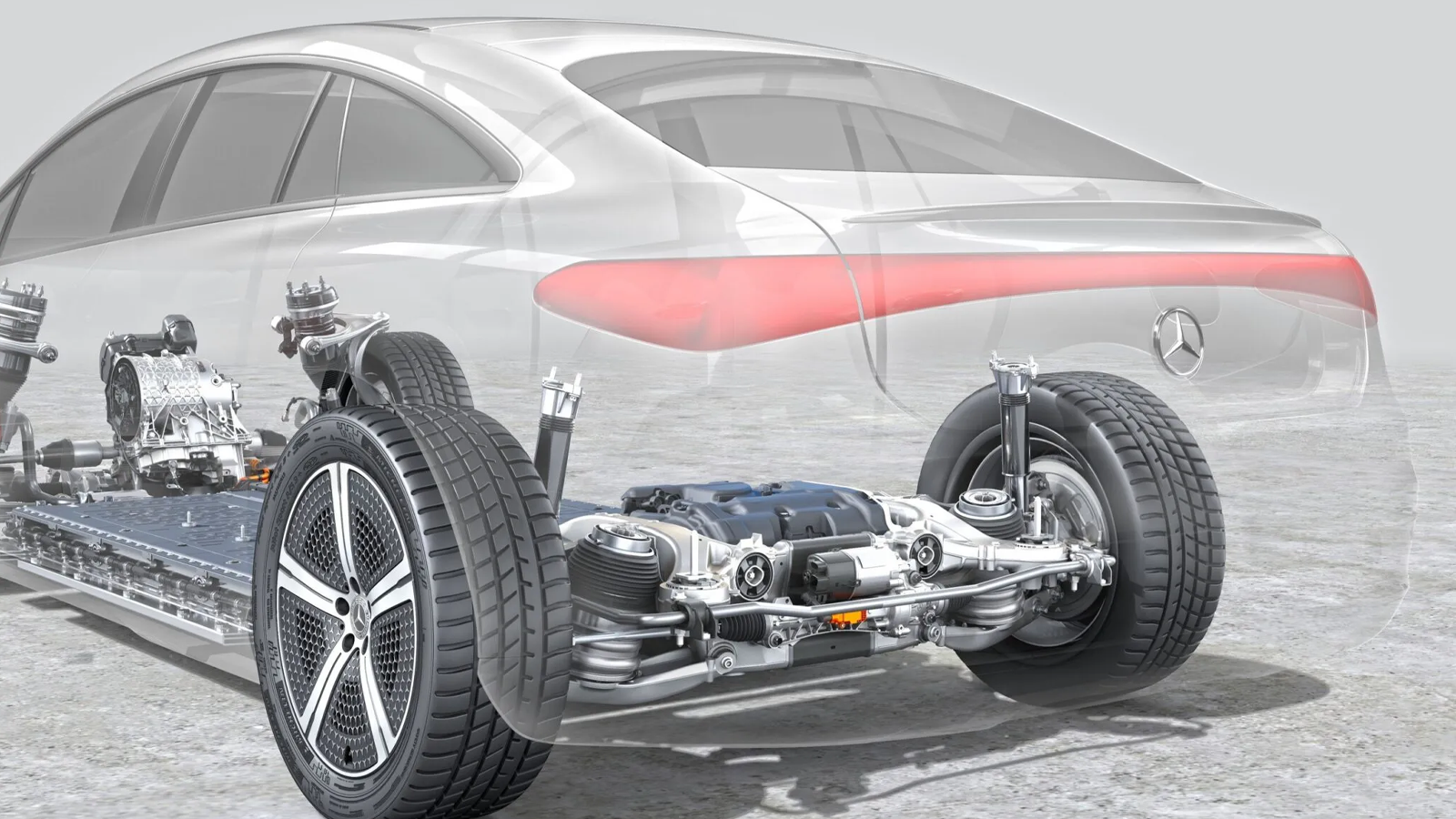
All variants receive updated electric drive units. Output ranges from 362 hp in the EQS 400 to 577 hp and 590 lb-ft in the EQS 580 4Matic. A notable addition is the two-speed transmission, which improves both acceleration and highway efficiency by switching ratios depending on speed and load.
Energy recuperation has also improved, with braking regeneration now reaching up to 385 kW, roughly a third higher than before. This helps recover more energy during deceleration and contributes to the overall efficiency gains.
Steer-by-Wire Changes Everything
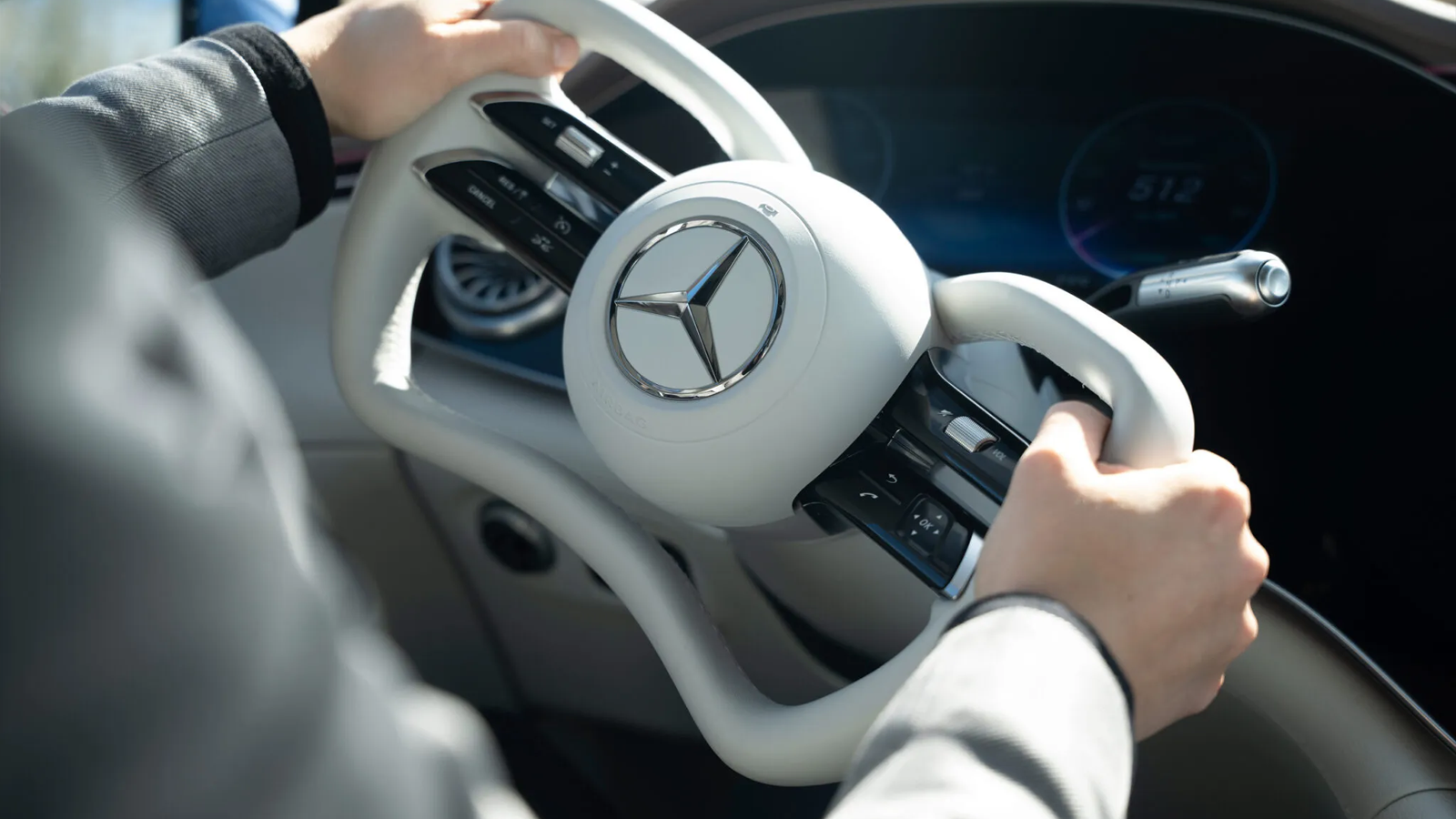
The most controversial update is the introduction of steer-by-wire technology. Instead of a mechanical connection between the steering input and wheels, the system relies entirely on electronic signals. Similar systems have appeared in vehicles from Tesla and Lexus, but this is a first for a German luxury sedan.
Paired with steer-by-wire is an optional yoke-style steering control. With only about 170-270 degrees of total rotation, drivers no longer need to shuffle their hands during low-speed maneuvers. For those unconvinced, Mercedes still offers a traditional steering wheel with a conventional system.
Improved Ride and Suspension Intelligence
The Airmatic suspension system has been refined with smarter damping control. It can now use Car-to-X data, information shared between vehicles, to anticipate road imperfections like speed bumps and adjust accordingly before the car even reaches them.
Subtle but Noticeable Design Changes
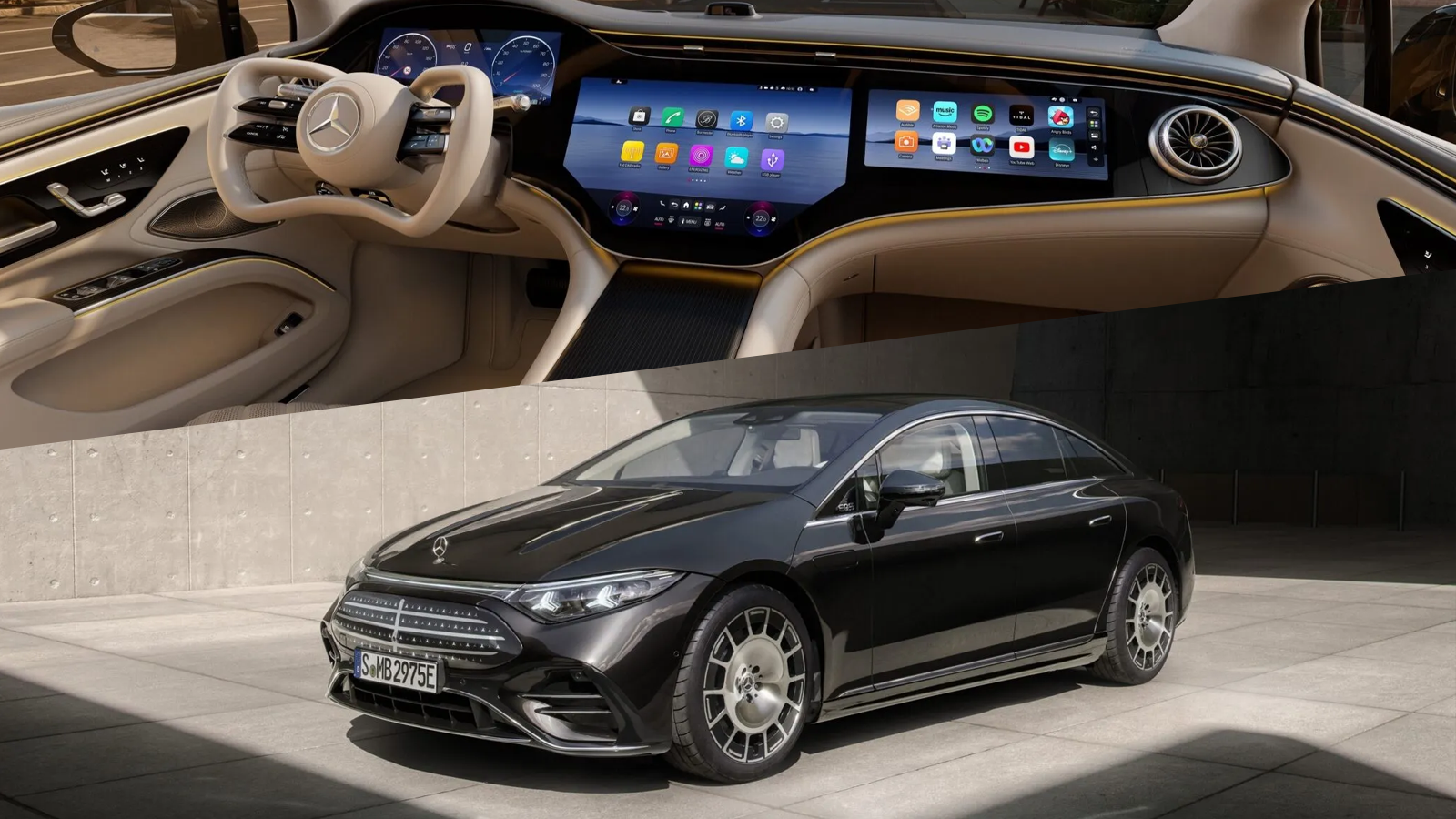
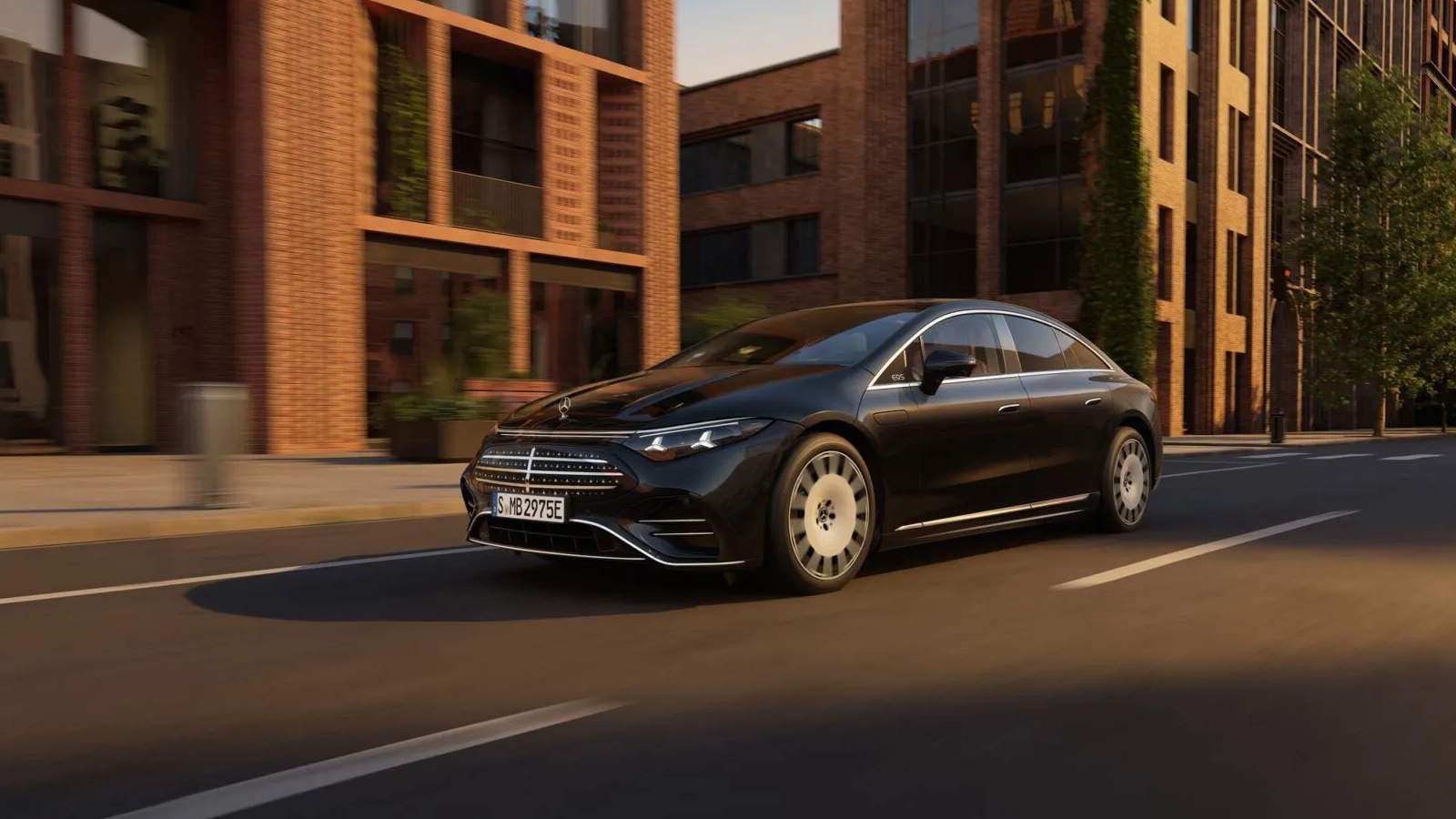
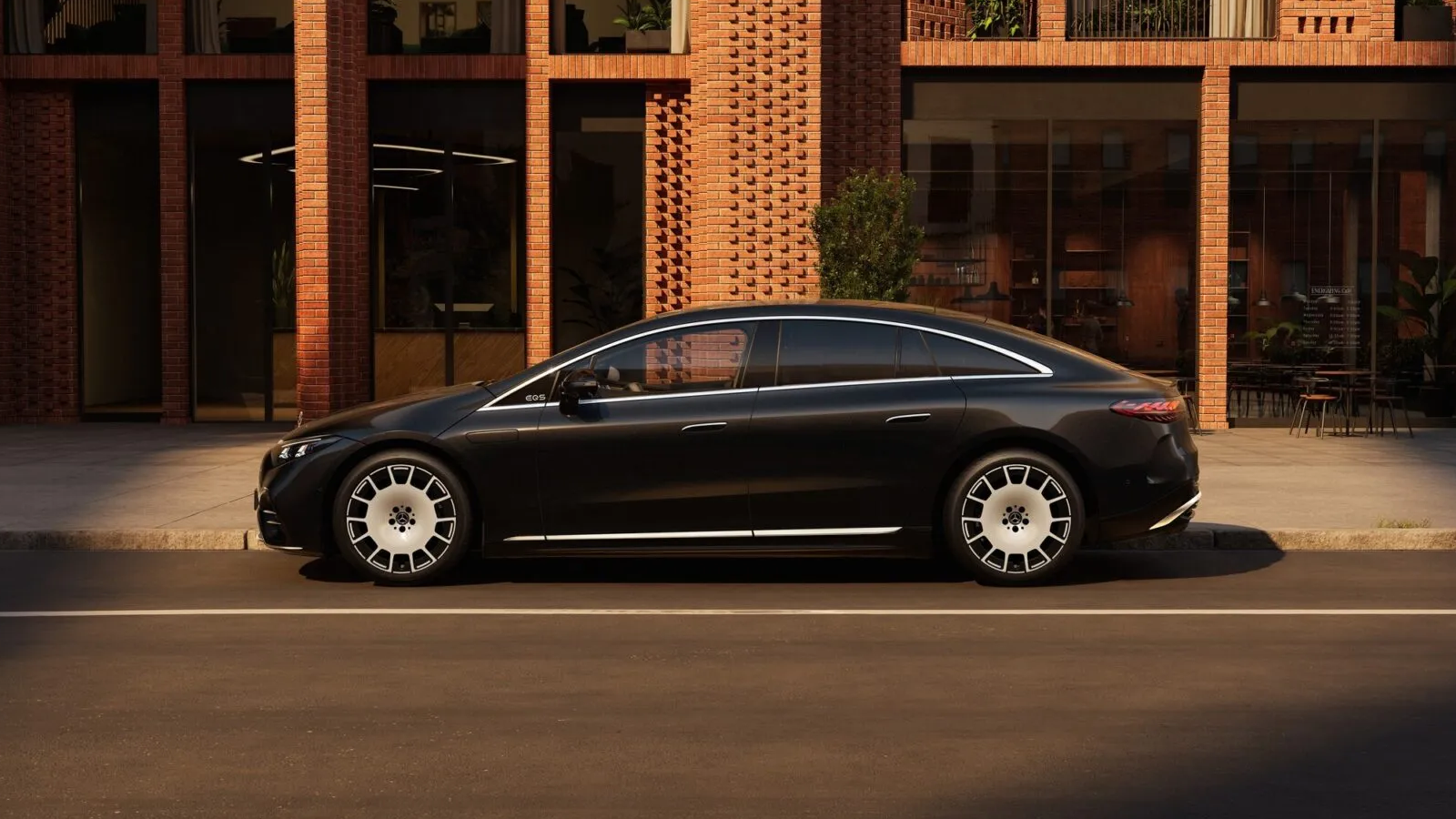
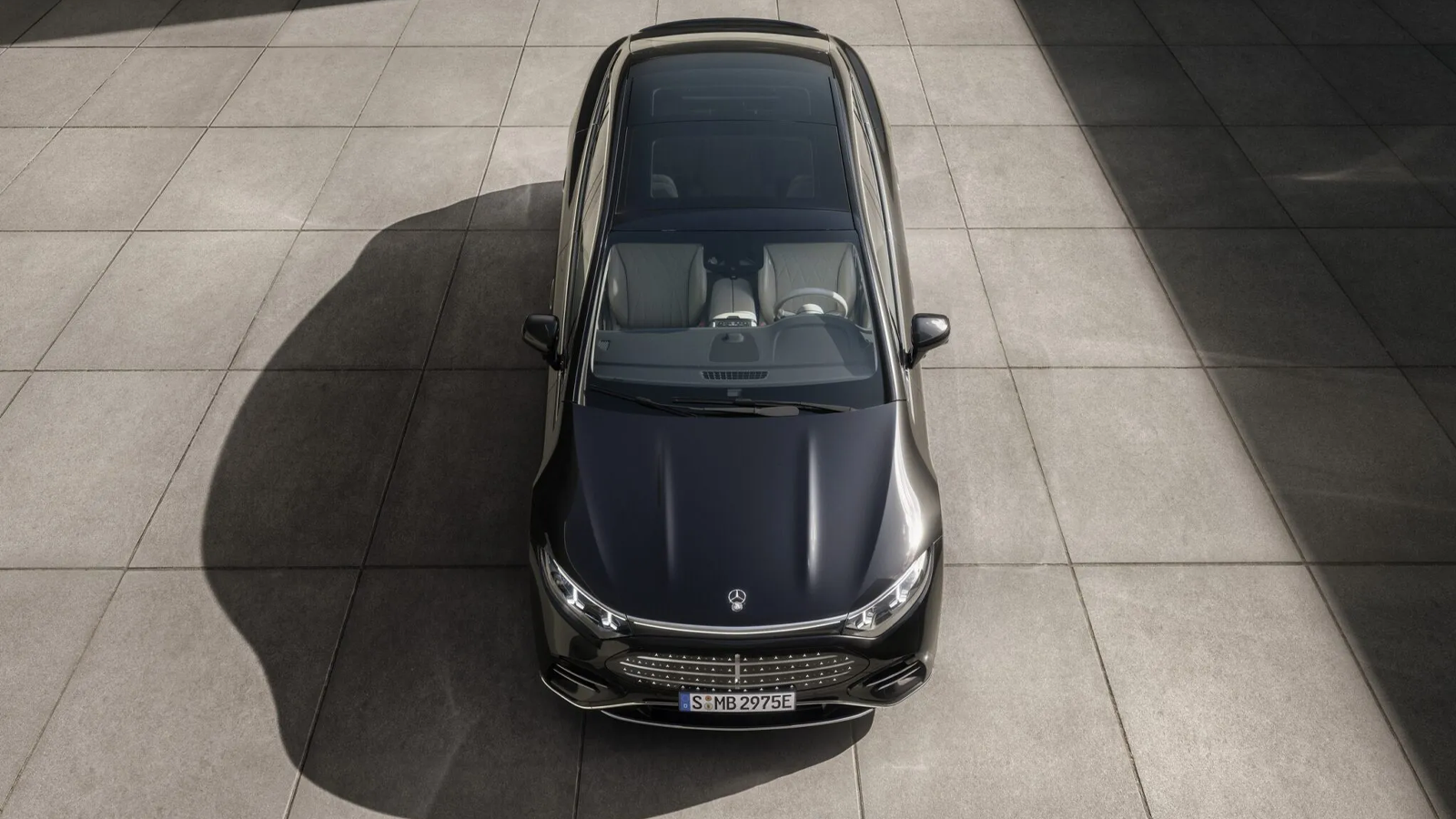
Visually, the EQS retains its familiar shape, but there are updates. A redesigned front fascia features a blacked-out grille filled with small star elements, along with new headlights that incorporate star-shaped daytime running lights. Additional tweaks include revised rear lighting and AMG-Line styling elements.
New Digital Light headlamps improve nighttime visibility while reducing energy consumption by up to 50%. They also feature advanced high-beam control with local dimming to avoid blinding other drivers.
MB.OS and a Smarter Cabin
Inside, the EQS introduces Mercedes’ new MB.OS operating system. It powers an upgraded MBUX Virtual Assistant capable of integrating multiple AI systems, including conversational tools for more natural interaction. The assistant can even appear as customizable avatars, ranging from a simple star to a humanoid figure.
The navigation system has been enhanced with predictive route planning. It breaks journeys into segments and factors in elevation, weather, traffic, and wind conditions to estimate energy usage more accurately. It can also coordinate charging stops and even reserve stations where supported.
Rear passengers now get larger 13.1-inch displays, replacing the older 11.6-inch units. These screens include integrated cameras, enabling videoconferencing, an unusual but increasingly relevant feature in high-end luxury EVs.
New Comfort Features, Including Heated Seatbelts
A small but notable addition is heated front seatbelts, designed to improve comfort in cold conditions and encourage occupants to remove bulky outerwear. While unconventional, it reflects Mercedes’ continued focus on incremental comfort innovations.
Advanced Driver Assistance Expands
Updated driver assistance features include improved parking systems that can detect spaces without painted lines and a reverse assist function that can retrace the last 500 feet of driving. Many of these features can be updated over the air, extending the car’s functionality over time.
Model Range and Positioning
The lineup continues with familiar variants: EQS 400, 450+, 500 4Matic, and 580 4Matic. Pricing varies by market, but the structure remains similar, with higher trims offering more power and dual-motor configurations.
This update doesn’t reinvent the EQS; it corrects it. The improvements bring it closer to competitors in critical areas like charging and usability, while the steer-by-wire system introduces a genuinely new variable. Whether that gamble pays off will likely define how this version of the EQS is remembered.
Official U.S. pricing for the updated Mercedes-Benz EQS hasn’t been announced yet, but there are strong indicators of where it will land. Current models start just over $100,000 and climb past $120,000 depending on trim, and the refreshed version is expected to sit in a similar, or slightly higher, range. In Europe, early figures suggest a starting price of around €94,400 (roughly $110,000), with higher trims like the EQS 580 pushing well beyond that.