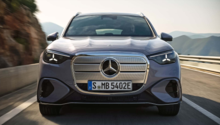
Mercedes Has a New Solid State Battery Prototype With Over 621 Miles of Range
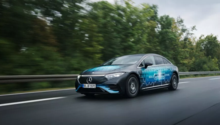
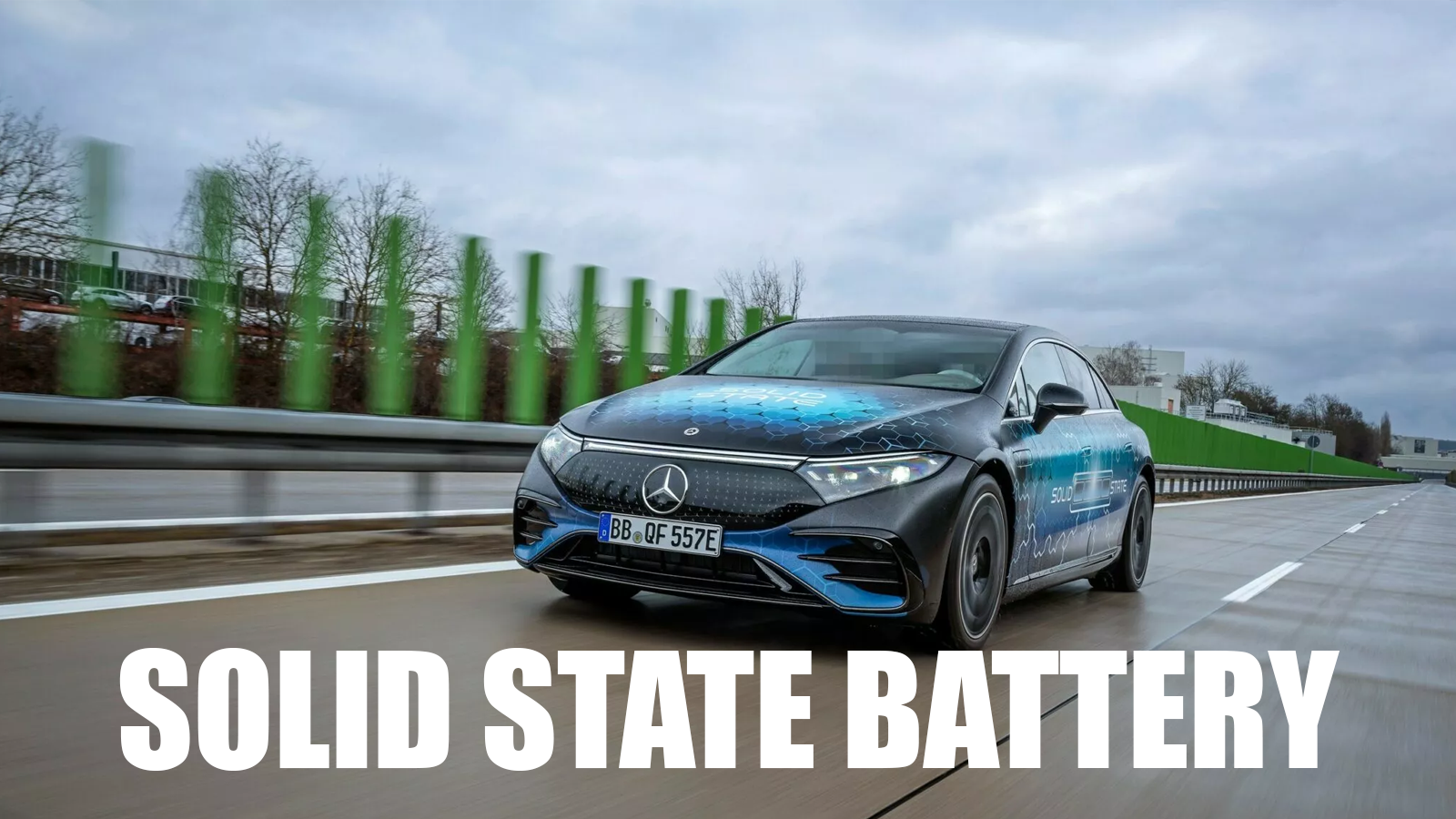
Mercedes-Benz has taken a significant step forward in electric vehicle technology, testing an EQS prototype equipped with a solid-state battery that delivers over 621 miles of range.
A Breakthrough for Solid-State Batteries
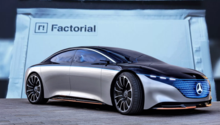
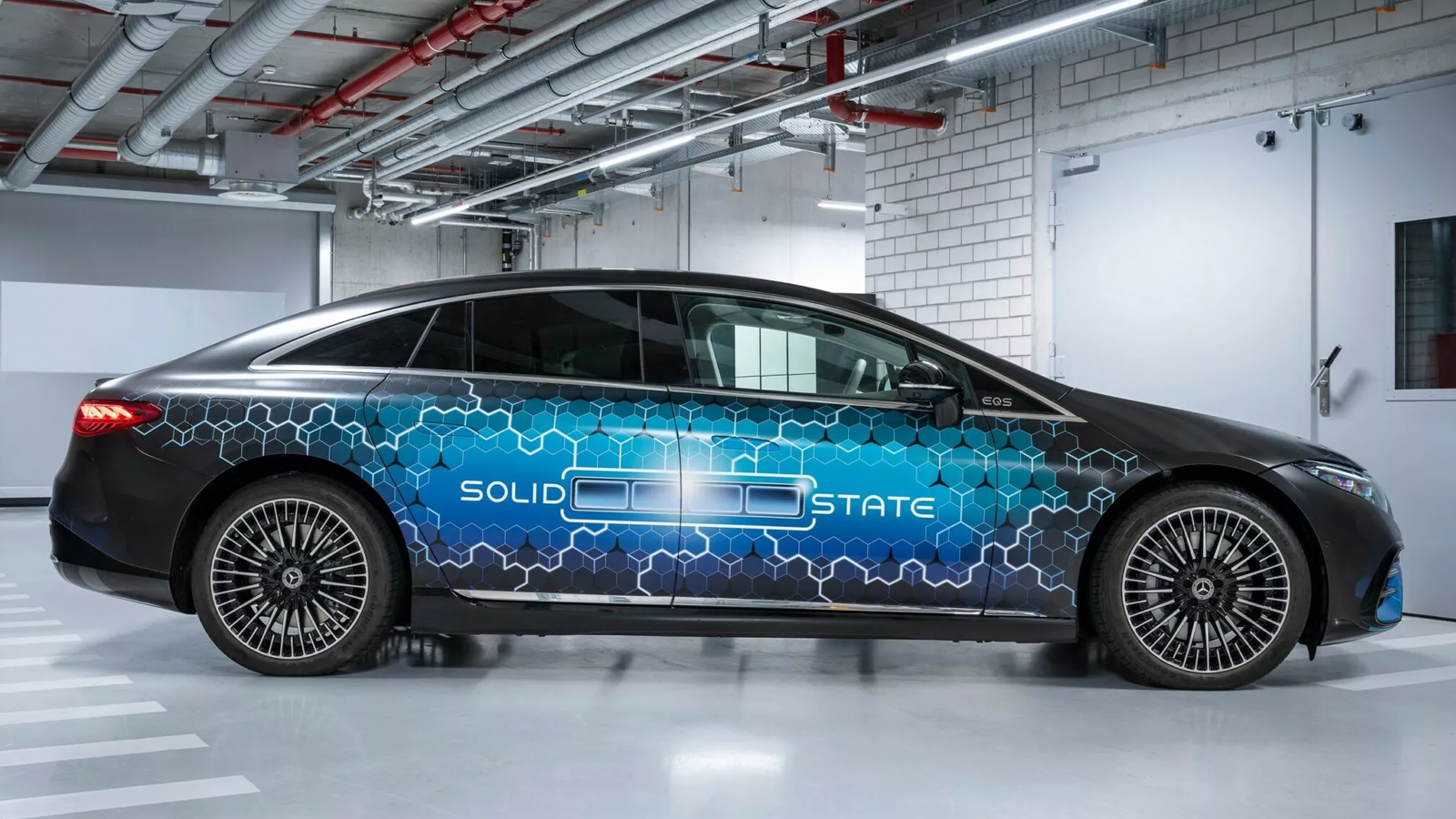
Mercedes-Benz has officially begun real-world testing of an EQS prototype powered by a lithium-metal solid-state battery, a major leap from conventional lithium-ion technology. The company, in partnership with U.S.-based Factorial Energy, has moved beyond laboratory development to road trials, making it the first automaker to integrate solid-state batteries into a production vehicle platform. This milestone could redefine the future of electric mobility, offering a safer, more efficient alternative to traditional EV batteries.
One of the key advantages of solid-state batteries is their significantly higher energy density. Mercedes’ prototype battery achieves a remarkable 450 Wh/kg, allowing for a driving range of over 621 miles (1,000 km)—approximately 25% more than a lithium-ion battery of equivalent size and weight. Compared to the EQS 450+, which features a 118 kWh lithium-ion pack and achieves around 497 miles (800 km) of range under WLTP testing, the solid-state variant showcases a substantial improvement in efficiency.
Engineering Challenges and Innovations
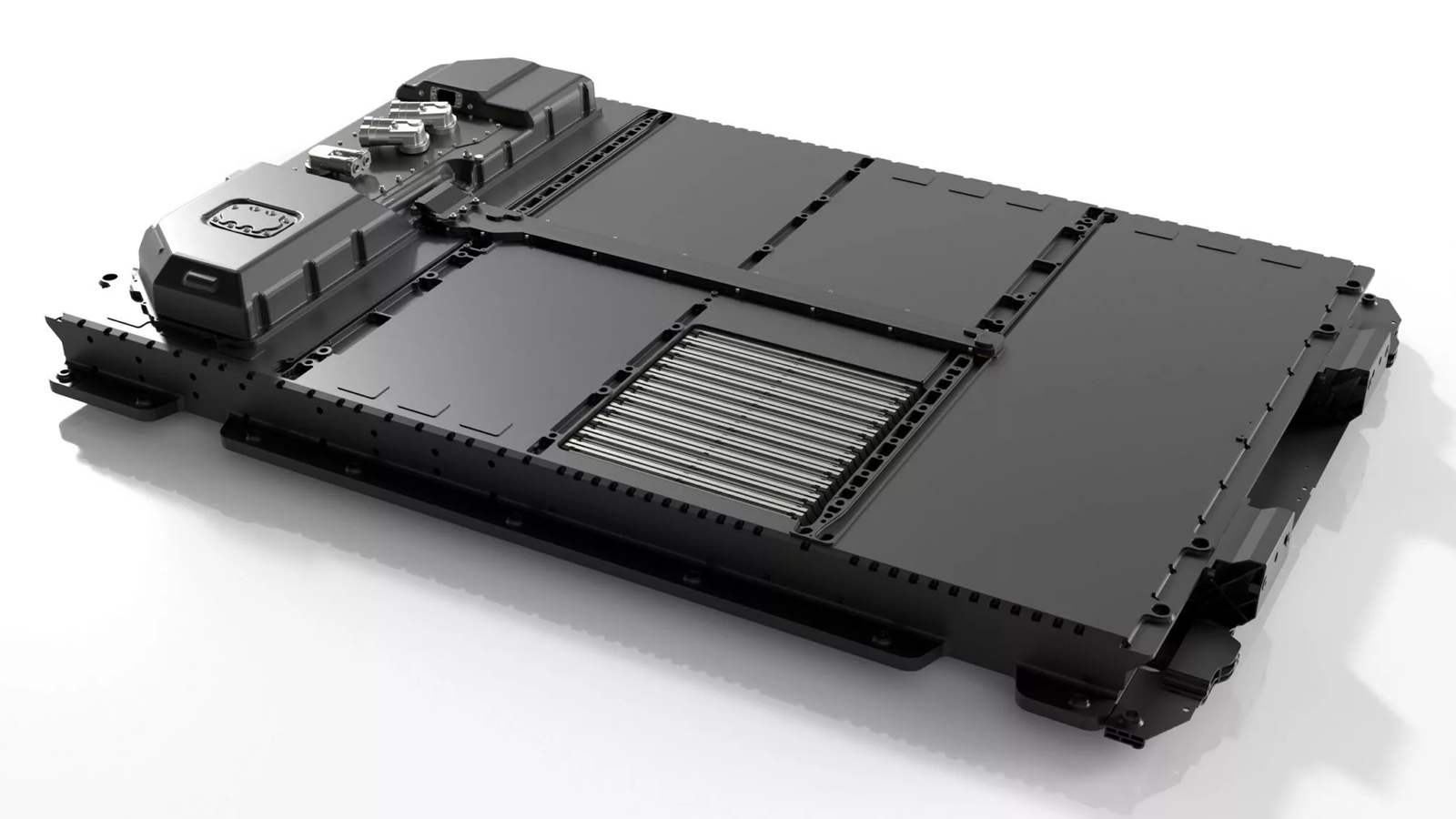
Unlike conventional lithium-ion batteries that use liquid electrolytes, Mercedes' new battery employs a solid electrolyte. This shift enhances safety while enabling the use of lithium-metal anodes, which contribute to higher energy density. The battery also incorporates a floating cell carrier and pneumatic actuators to manage volume changes during charging and discharging, ensuring stability and longevity. As Markus Schäfer, Mercedes’ Chief Technology Officer, noted, developing solid-state batteries at an automotive scale underscores the brand’s commitment to both innovation and sustainability.
Mercedes has collaborated with Factorial Energy since 2021 to advance solid-state battery technology. Factorial’s proprietary FEST (Factorial Electrolyte System Technology) was a key element in the development of these battery cells, which were first delivered in mid-2024. Later in the year, the two companies introduced the more advanced Solstice battery, featuring a sulfide-based solid electrolyte that further enhances safety and efficiency. Factorial CEO Siyu Huang called the successful integration of solid-state batteries into a production platform a “historic achievement in electric mobility.”
Lighter, More Compact Battery Design
One of the most striking benefits of the new battery system is its compact design. The Solstice battery is 33% smaller than a conventional 90 kWh lithium-ion pack while weighing 40% less. This reduction in size and weight could lead to significant efficiency gains in future Mercedes EVs, potentially allowing for increased interior space and lower overall vehicle weight.
While the current EQS prototype represents a crucial step forward, Mercedes aims to bring solid-state batteries to its next-generation electric models by the end of the decade. The company envisions mass production of these batteries, which could set new benchmarks in range, cost, and performance. Factorial Energy, meanwhile, is collaborating with other major automakers, including Hyundai and Stellantis, to further refine solid-state battery technology with a target launch by 2030.
The Future of EV Batteries
The shift to solid-state batteries represents a pivotal moment for the EV industry. With higher energy densities, improved safety, and reduced weight, this technology could address many of the limitations of current lithium-ion systems. As Mercedes-Benz pushes forward with testing and development, its EQS prototype serves as a tangible example of the potential that solid-state batteries hold for the future of electric vehicles.
>>Join the conversation about this new prototype right here on MBWorld.org
For help with your maintenance and repair projects, please visit our How-to section in the forum.